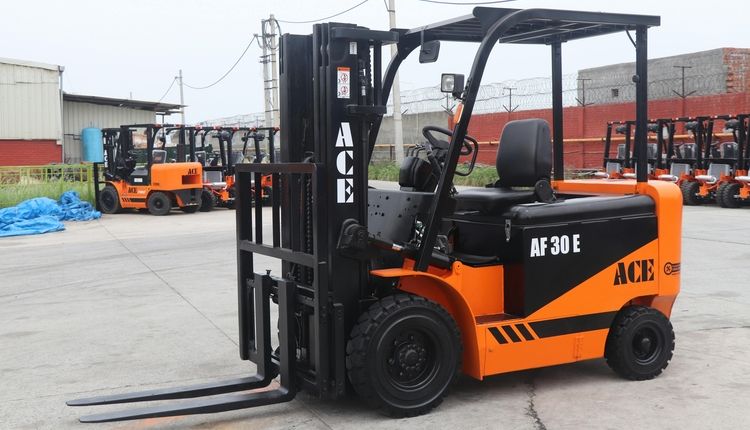
For most businesses, equipment is essential to daily operations. Whether it's a commercial oven, HVAC system, delivery vehicle, or a vital piece of manufacturing machinery, unexpected failure can grind productivity to a halt. Before deciding whether to repair or replace, consider the full cost of downtime. This includes lost revenue, labor inefficiencies, customer dissatisfaction, and possible overtime pay needed to catch up. A quick fix may seem cheaper on paper, but if the repair is unreliable or causes repeated delays, a replacement may make more financial sense in the long run.
When Does It Make Sense to Repair?
Repair is often the go-to choice for newer equipment that’s still under warranty or hasn’t yet reached the midpoint of its useful life. If the issue is minor, parts are readily available, and the repair cost is well below 50% of the replacement cost, repairing is typically the most cost-effective option. Preventive maintenance programs also fall into this category. Regular inspections, lubrication, and calibrations can extend the life of your equipment and help avoid surprise breakdowns.
Know When to Replace
If your equipment is aging, frequently in need of service, or causing operational inefficiencies, replacement might be the smarter long-term investment. Older machines may lack energy efficiency, suffer from obsolete technology, or pose safety concerns.
If replacement parts are hard to find or discontinued, ongoing repairs can be costly and time-consuming. Upgrading to newer equipment may offer tax advantages, increased reliability, and better performance, offsetting the initial investment with future savings.
Consider the Role of Equipment Insurance
Different types of business insurance play a key role in managing these risks. Equipment breakdown coverage can help pay for repairs or replacement in cases of sudden mechanical or electrical failure. For leased or financed equipment, your lender may even require coverage.
Make sure your policy reflects the types of equipment you use and how essential they are to operations. Also review any business interruption coverage that could help with lost income during extended repairs.
Make a Plan Before a Breakdown
Having a plan in place before something breaks can make the difference between a minor hiccup and a major disruption. Keep an up-to-date inventory of critical equipment, along with service records, serial numbers, and vendor contacts. Know your replacement timelines and set aside reserves for emergencies. You don’t want to be making rushed decisions when productivity is already suffering.
While you’re reviewing equipment and budgets, don’t overlook your insurance. A quick policy review can help ensure you’re covered for breakdowns, replacements, and any ripple effects that could impact your business. Contact us today to schedule a full review of your commercial coverage.